From single-piece prototypes to series production. From 1 to infinity pieces. CNC-Prozess

Drawing on plentiful resources

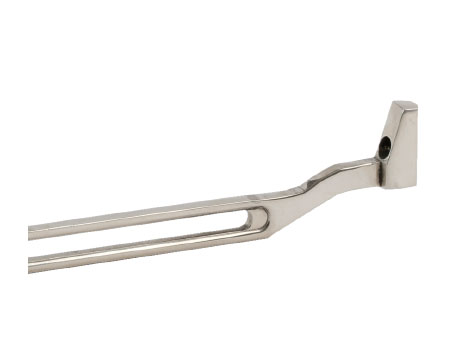
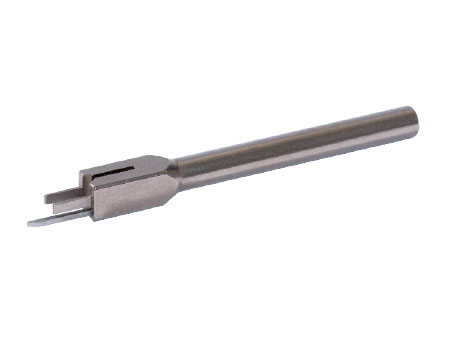
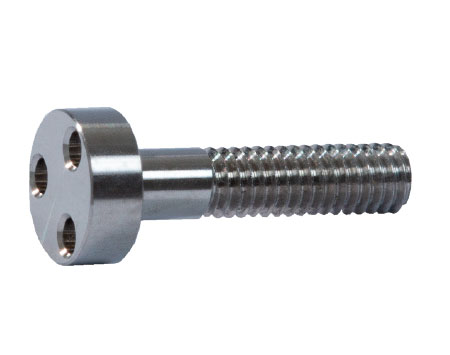
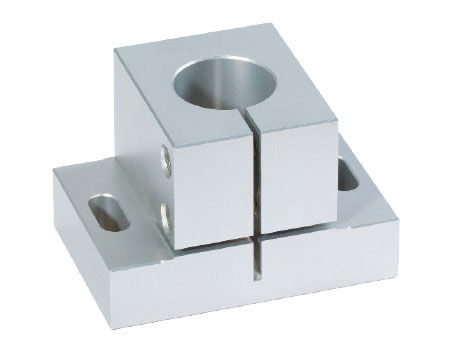
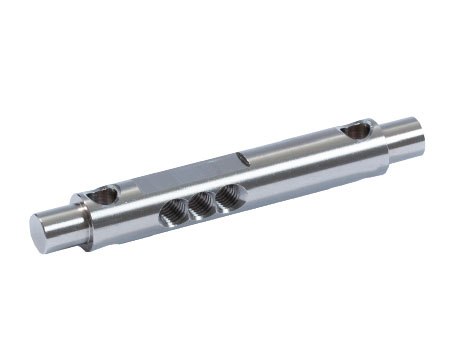
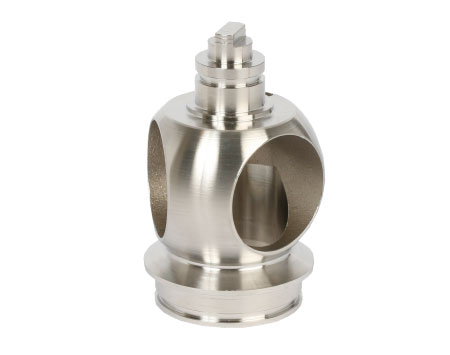
Machining as a manufacturing process for metallic components can be used for all workpieces, but especially for complex requirements. With no lead time for tools, machining enables fast and stable production.

BENEFITS

  • Development, production, just in time delivery
  • Almost tolerance-free manufacturing
  • Economical for prototypes and low volumes
  • Flexible, fast machining without tooling costs
  • All metals and plastics

The start-up costs are lower compared to other manufacturing processes (e.g., die casting, MIM), so that smaller series and prototypes with tight tolerances can also be manufactured, but often with high economic costs.

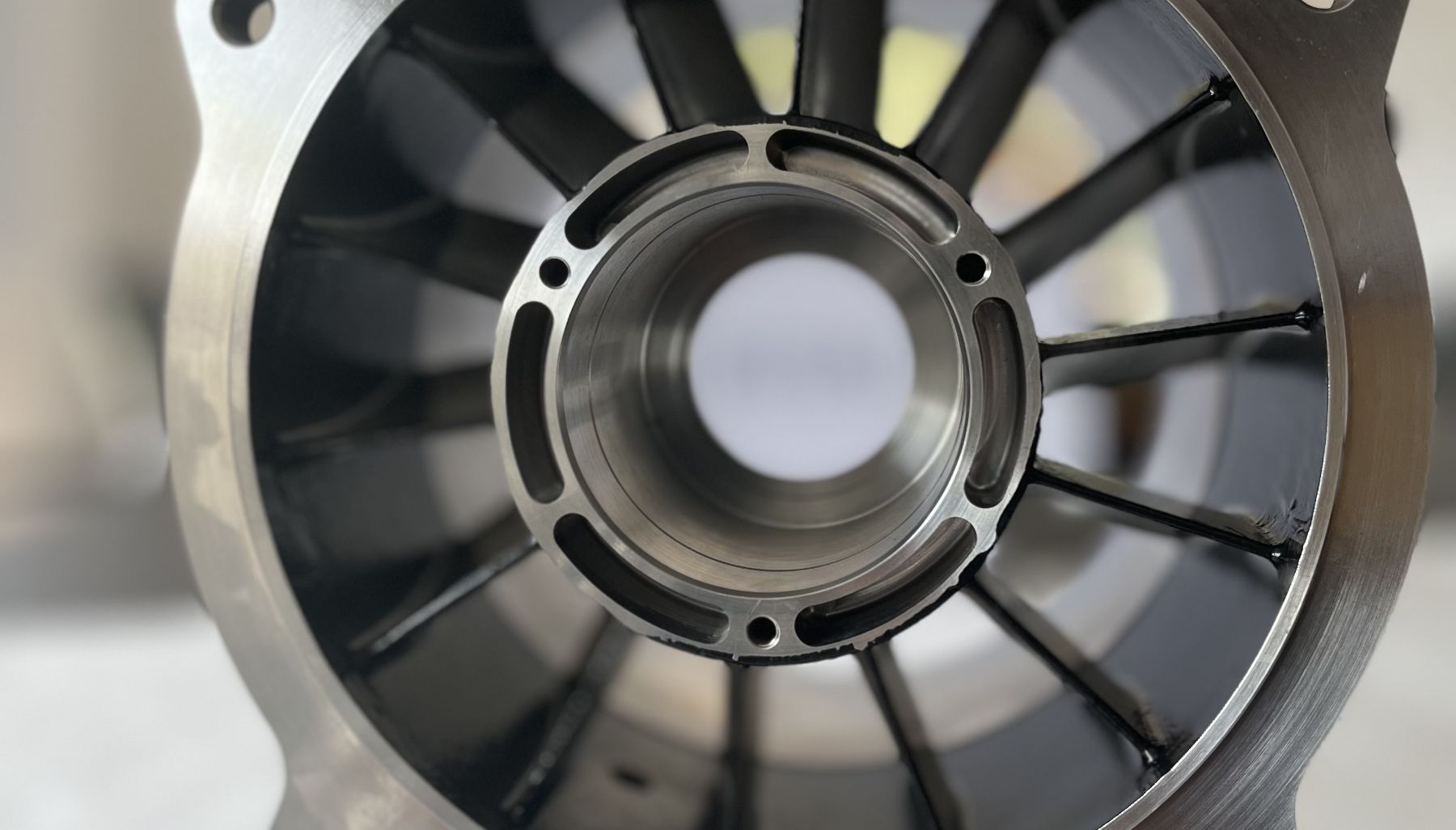
Depending on the material and the component geometry, CNC machining can be economical even for high volumes. A high surface finish is achievable. Center-line roughness values in the range of Ra 0.8-3.2 are typical. Values lower than Ra 0.8 can also be achieved.

There are almost no limits to the choice of materials here. As a rule, CNC production has no negative influence on the mechanical properties of the processed materials. Furthermore, the machining of high-strength and hard (even hardened) materials is also possible Due to a high degree of automation and the fact that no tools have to be created, short delivery times are possible.

Manufacturing process
2 During setup, a machine tool is prepared for the production of the CNC component. The most important steps in the setup are the clamping of the semi-finished products and the preparation of the turning and milling tools, which can take between a few minutes and several hours. Setting up the CNC machine 1 In CNC machining, prefabricated semi-finished products in various shapes, mainly bars and plates, are prepared by different cutting methods and then processed. Preparation of the semi-finished products 3 The machining program (NC program), describes how the CNC machine is to produce the finished part from the semi-finished product with the help of the tools. The creation of these programs can be done directly at the control of the CNC machines or with the help of Computer Aided Manufacturing software and is usually not automated. The time required depends largely on the geometric complexity of the components and can range from a few minutes to several hours. Programming the CNC machine 4 The actual CNC machining takes place on the corresponding machines after completion of the preparatory work steps. The time required for machining a workpiece is made up of the main times of the individual machining steps (depending, for example, on the material and the volume of material to be removed) and the auxiliary times, for example for changing the tools and the workpiece. Manufacturing

2 During setup, a machine tool is prepared for the production of the CNC component. The most important steps in the setup are the clamping of the semi-finished products and the preparation of the turning and milling tools, which can take between a few minutes and several hours. Setting up the CNC machine 1 In CNC machining, prefabricated semi-finished products in various shapes, mainly bars and plates, are prepared by different cutting methods and then processed. Preparation of the semi-finished products 3 The machining program (NC program), describes how the CNC machine is to produce the finished part from the semi-finished product with the help of the tools. The creation of these programs can be done directly at the control of the CNC machines or with the help of Computer Aided Manufacturing software and is usually not automated. The time required depends largely on the geometric complexity of the components and can range from a few minutes to several hours. Programming the CNC machine 4 The actual CNC machining takes place on the corresponding machines after completion of the preparatory work steps. The time required for machining a workpiece is made up of the main times of the individual machining steps (depending, for example, on the material and the volume of material to be removed) and the auxiliary times, for example for changing the tools and the workpiece. Manufacturing
E-mail

Request email

Phone

Call